

MINISTER PAID R20M TO SAFA FOR VAR, PRESSURE ON ASSOCIATION TO DELIVER!
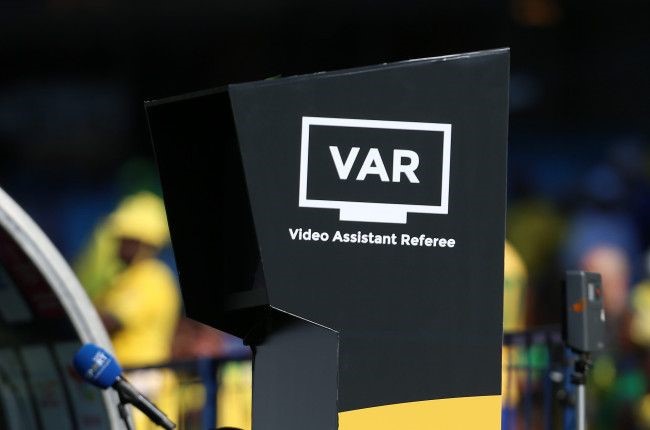
South Africa’s Minister of Sport, Arts and Culture, Gayton McKenzie, has confirmed that government has paid over funds to the South African Football Association (SAFA) for the implementation of the long-awaited Video Assistant Referee (VAR) system.
In a statement that is likely to intensify debate around the issue, McKenzie said: “We have paid the money to SAFA for VAR to be delivered next season.”
He further confirmed that National Treasury has processed the payment, adding that the responsibility now rests with SAFA to ensure the system is implemented.
The introduction of VAR in South African football has been a contentious subject for several seasons.
Clubs, supporters and football analysts have repeatedly raised concerns about controversial refereeing decisions in domestic competitions, particularly in the Premier Soccer League (PSL).
Since taking office, McKenzie has publicly committed to ensuring that VAR becomes a reality in local football.
“When this discussion began, we were told that implementing VAR in South Africa could cost as much as R80 million. Instead of rushing into the process, SAFA assembled a technical refereeing team to evaluate the options,” said Mckenzie during his departmental update.
That team was led by Daniel Bennett, working alongside Victor Gomes, Jerome Damon and Abdul Ebrahim, SAFA’s Head of Referees.
According to the Minister, the foursome assessed all the serious technology providers and worked closely with FIFA and the International Football Association Board to ensure that South Africa implements VAR fully in line with global standards.
“The Department of Sport, Arts and Culture has allocated funding for this project and transferred the first R20 million tranche to SAFA as part of a three-year rollout plan,” he explained.
“SAFA is the implementing authority, as required under FIFA governance structures. My office also conducted benchmarking internationally, including engagements in Spain and with Premier League Productions in the United Kingdom, where VAR operates in the most-watched football league in the world.
“This project has not been approached lightly. And importantly, the final cost of implementing VAR has come in significantly lower than the figures we were originally told. This is responsible government in action.
“Football itself is evolving. FIFA’s Head of Global Development, Arsene Wenger, is currently advancing discussions around a proposed reform of the offside rule, where a player would only be offside if the entire body is ahead of the defender. A rule like that cannot be implemented properly without VAR technology. So the work we are doing today is preparing South African football for the future.”
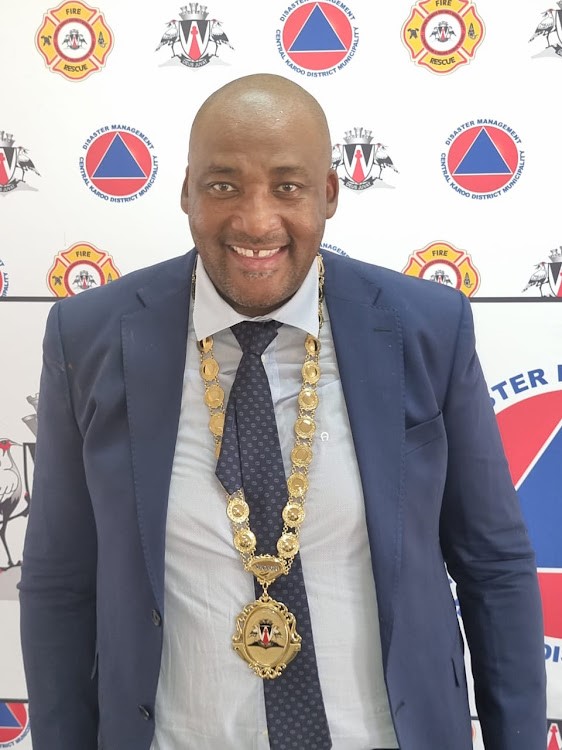
However, critics accused the minister of making promises without concrete progress, questioning whether funding had actually been secured.
His latest confirmation appears aimed at putting those doubts to rest.
With the funds reportedly transferred, attention now shifts to SAFA to roll out the technology ahead of the upcoming season.
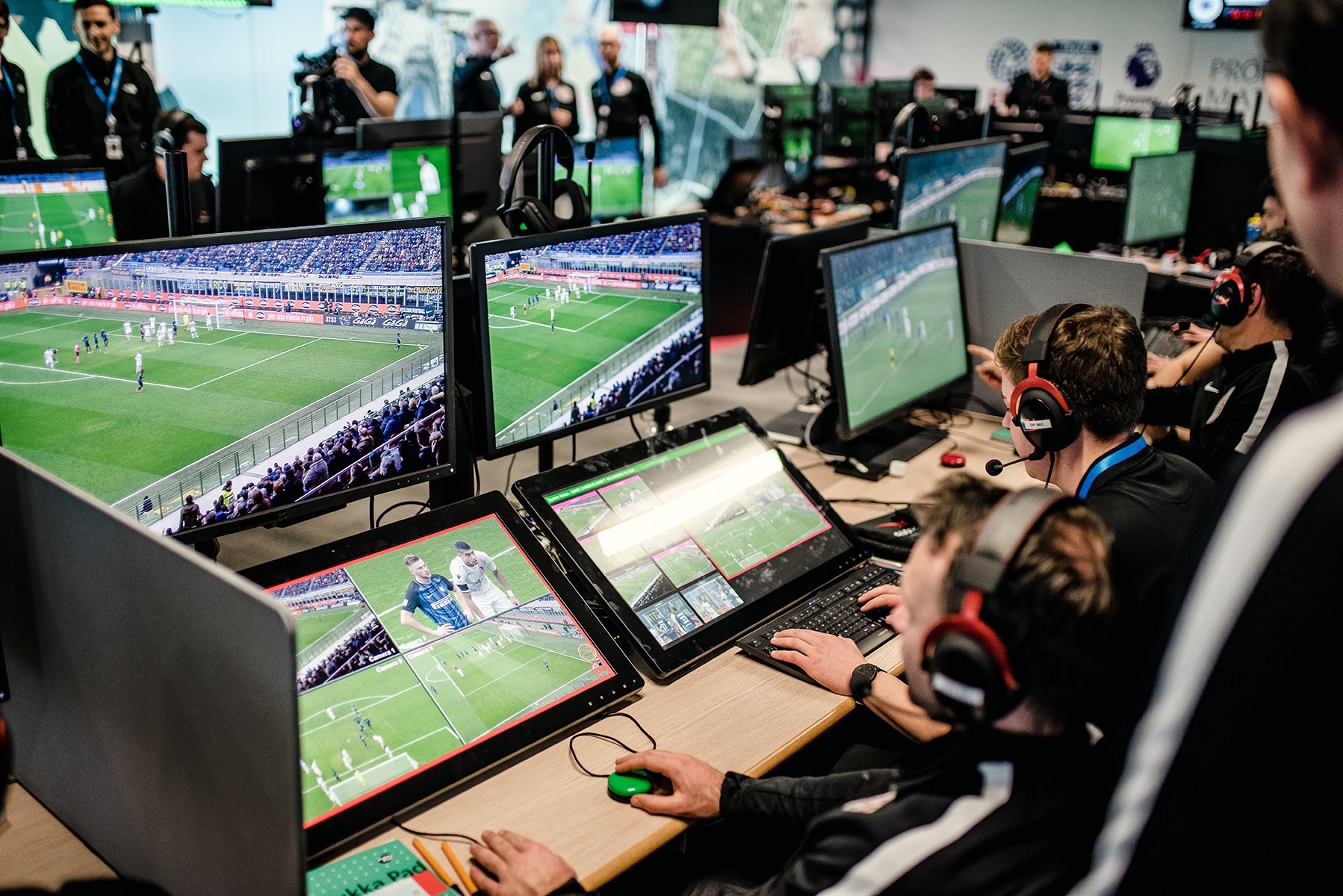
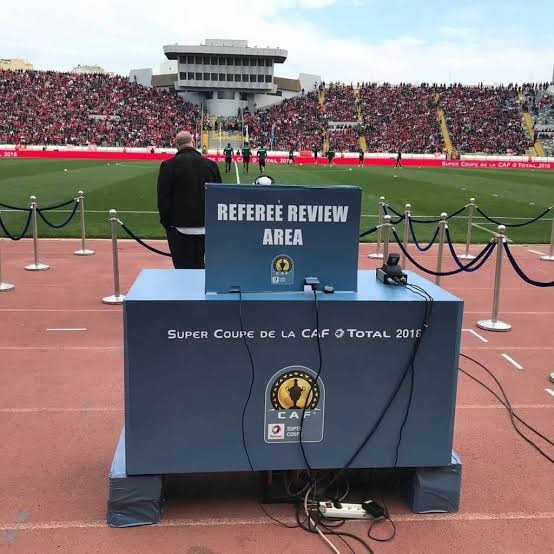
VAR requires significant infrastructure, including:
- Specialised camera systems in stadiums
- A centralised control room
- Trained match officials and VAR technicians
- Ongoing operational and maintenance costs
Football stakeholders will now be watching closely to see whether SAFA can meet the delivery timeline.
If successfully implemented, VAR is expected to improve decision-making accuracy, reduce officiating controversies and enhance the credibility of South African competitions.
For McKenzie, the confirmation represents a political and administrative milestone — particularly after facing criticism over delays and feasibility concerns.
Whether the system will be fully operational next season remains to be seen, but one thing is clear: the funding hurdle, according to the Minister, has now been cleared.