
SAFA PRESIDENTIAL RACE ENTERS FINAL DAYS, AS ZUNGU STAYS FIRM!
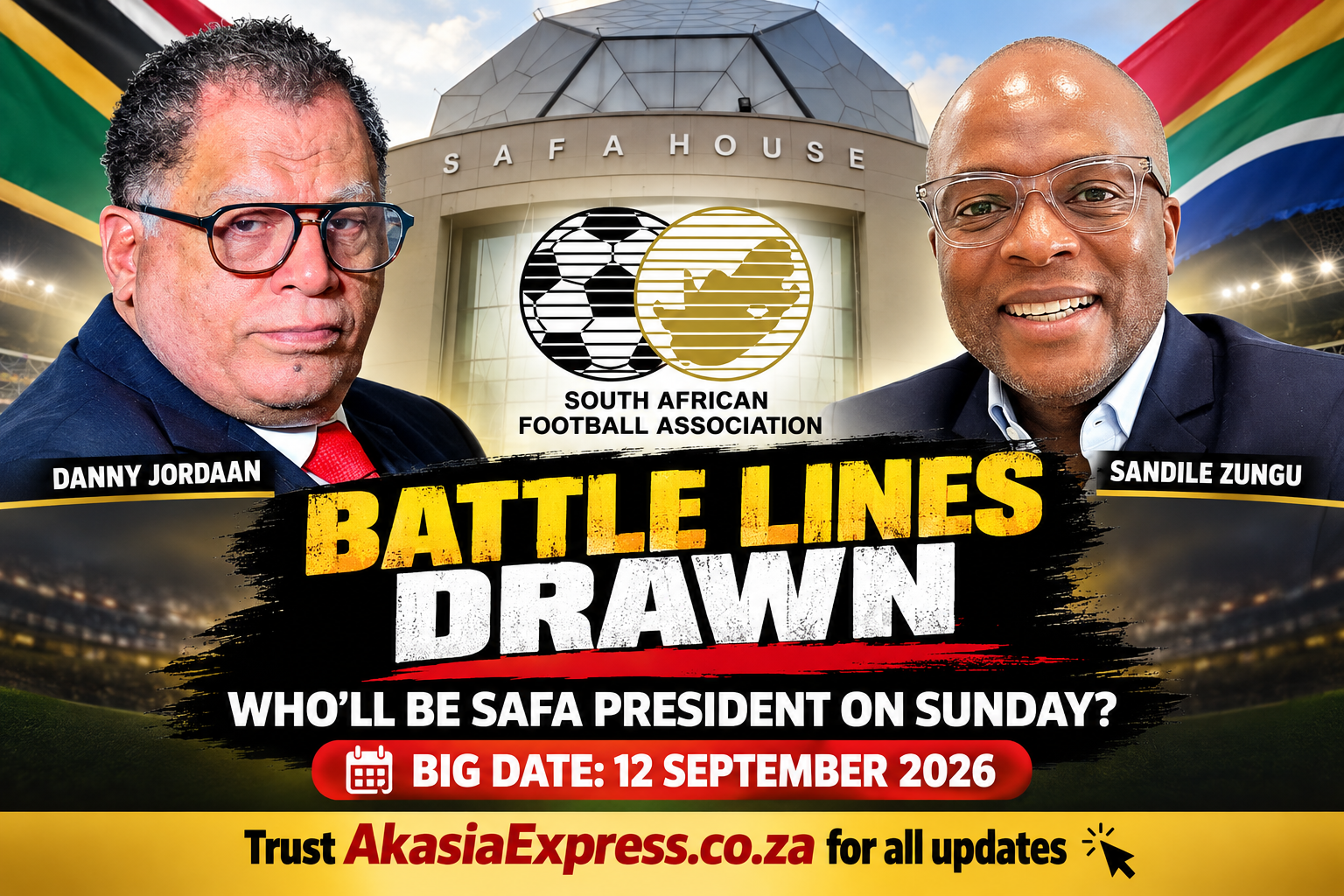
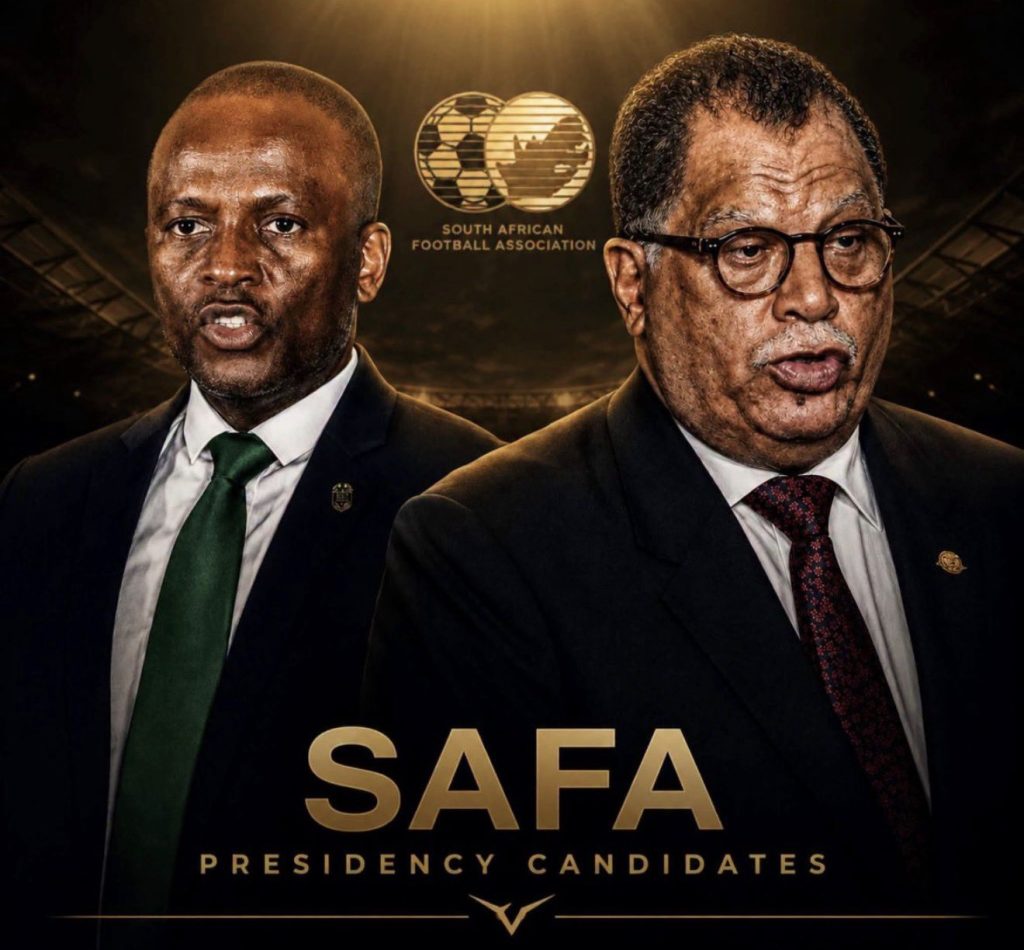
After all said and promised, only the legitimate delegates will ultimately decide which vision carries the day… take South African football forward.
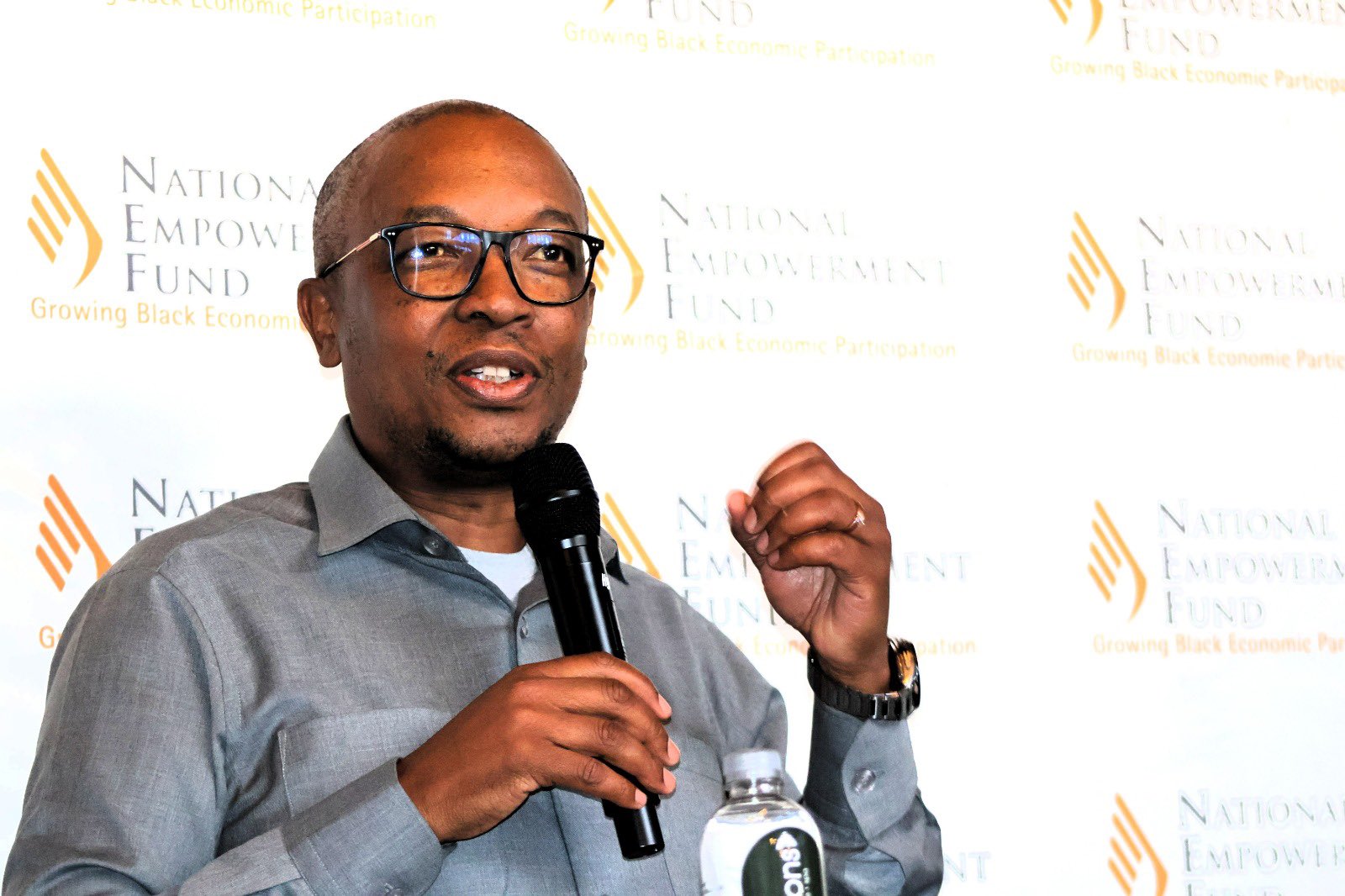
With only days remaining before the South African Football Association’s (SAFA) elective congress, presidential challenger Sandile Zungu has intensified his campaign, using Monday’s media briefing in Sandton to present himself as a candidate prepared to confront what he describes as deep-seated problems within the country’s football administration.
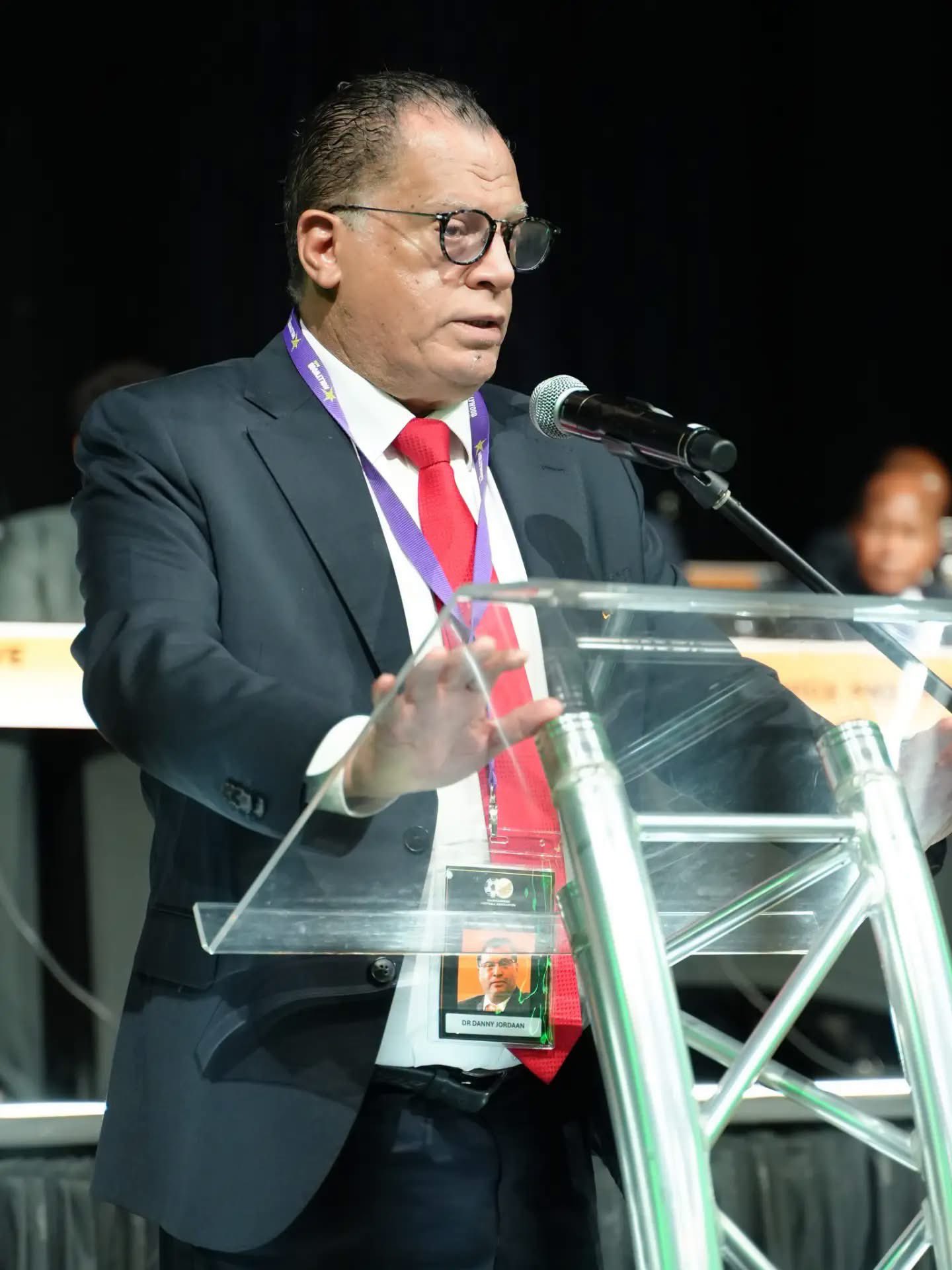
Zungu, the AmaZulu FC chairman and businessman, faces incumbent SAFA president Danny Jordaan in what has become one of the most closely watched leadership contests in South African football since 2009 when the latter, and PSL chairman, Irvin Khoza, compromised to allow Kirsten Nematandani to be a compromise president.
Jordaan and Zungu have been confirmed as eligible to contest the presidency at the elective congress on Saturday, 12 September 2026.
The timing of Zungu’s briefing was significant, with the election only days away, the contest has moved beyond campaign promises and into a battle over who should determine the future direction of South African football.
Among the strongest issues raised by Zungu was the continuing dispute over bonuses owed to Bafana Bafana players and members of the technical team following the 2026 Fifa World Cup.
Zungu has demanded that the outstanding payments be resolved by Thursday, warning that those responsible could face consequences if he becomes president. He questioned why players who had reportedly been promised incentives for their World Cup performance were still waiting for payment.
His comments provide a clear indication of the type of leadership he is campaigning on: accountability, quicker decision-making and greater responsibility from SAFA executives.
But beyond the immediate controversy over bonuses, the bigger issue at stake is the importance of the SAFA presidency itself.
WHY THE SAFA PRESIDENCY MATTERS
The SAFA president is not simply a ceremonial figurehead. According to SAFA’s statutes, the president legally represents the association and is responsible for monitoring the implementation of decisions taken by Congress and the National Executive Committee.
The president is also tasked with ensuring the effective functioning of SAFA’s structures, overseeing the work of the chief executive officer and maintaining relationships with members, FIFA, CAF and other organisations.
The president also presides over key SAFA meetings and has a vote on the National Executive Committee, including a casting vote when there is a deadlock. The position is therefore central to the administration, reputation and strategic direction of South African football.
That makes Saturday’s election considerably bigger than a contest between two individuals.
It is effectively a choice about the kind of football administration stakeholders want to see over the next four years.
Zungu has repeatedly placed governance and institutional reform at the centre of his campaign. Earlier in the campaign, he criticised aspects of the SAFA constitutional framework, arguing that rules should not be used to give an advantage to those already holding power.
His campaign has also received support from a number of football stakeholders.
SAFA vice-president Bennett Bailey withdrew from the presidential race and backed Zungu, while the South African Masters and Legends Football Association has also publicly endorsed his candidature.
At Monday’s briefing, Zungu went further, alleging attempts at vote-buying, regional destabilisation and electoral irregularities. These are serious allegations and, like all claims made during an election campaign, require proper verification and consideration of responses from those implicated.
Nevertheless, the allegations demonstrate how intensely contested this election has become.
A CHOICE ABOUT THE FUTURE
For SAFA members and delegates, the decision is ultimately about more than personalities.
South African football has enormous potential, from Bafana Bafana and Banyana Banyana to professional clubs, women’s football, grassroots development, school football and the country’s extensive network of regional structures.
The person occupying the SAFA presidency will therefore have considerable influence over how these priorities are coordinated and represented nationally and internationally.
Zungu is attempting to convince delegates that a change in leadership would bring a different approach to accountability and governance. Jordaan, meanwhile, is seeking another term after serving as SAFA president since 2013.
The election will consequently serve as a verdict not only on Zungu’s campaign, but also on the performance and direction of the current administration.
With the vote scheduled for 12 September, the final days of campaigning are likely to be dominated by questions of credibility, governance, accountability and the ability of each candidate to unite football’s diverse constituencies.