

WESTERN GROUNDS’ SECOND GRADING, AS POLITICAL QUESTIONS MOUNT!
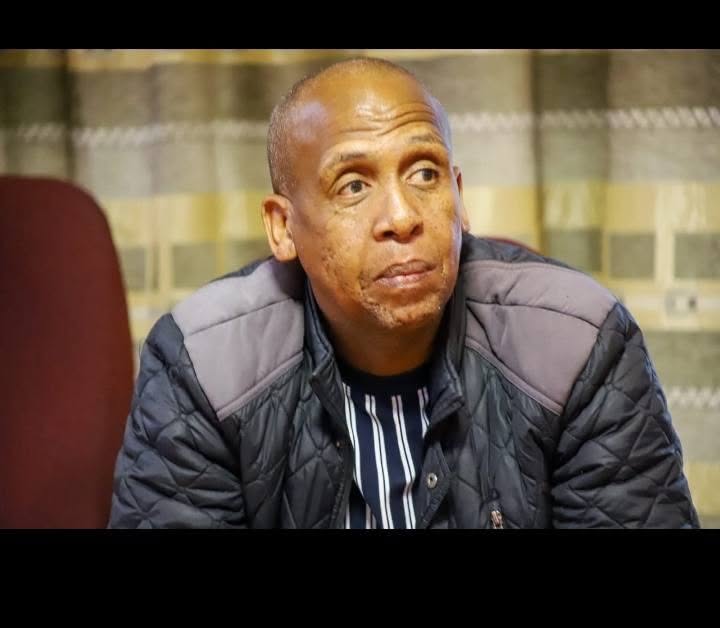
In a shocking move, the controversial black soil dumped at Western Grounds in Zone 1 continues to make news!
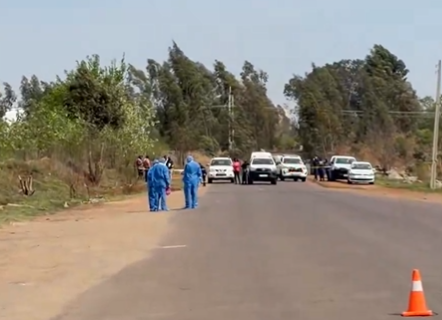
This is following a failed attempt to revamp the football facility with rocky black soil dumped at the venue, which left the sporting fraternity angry, and demands grew for accountability.
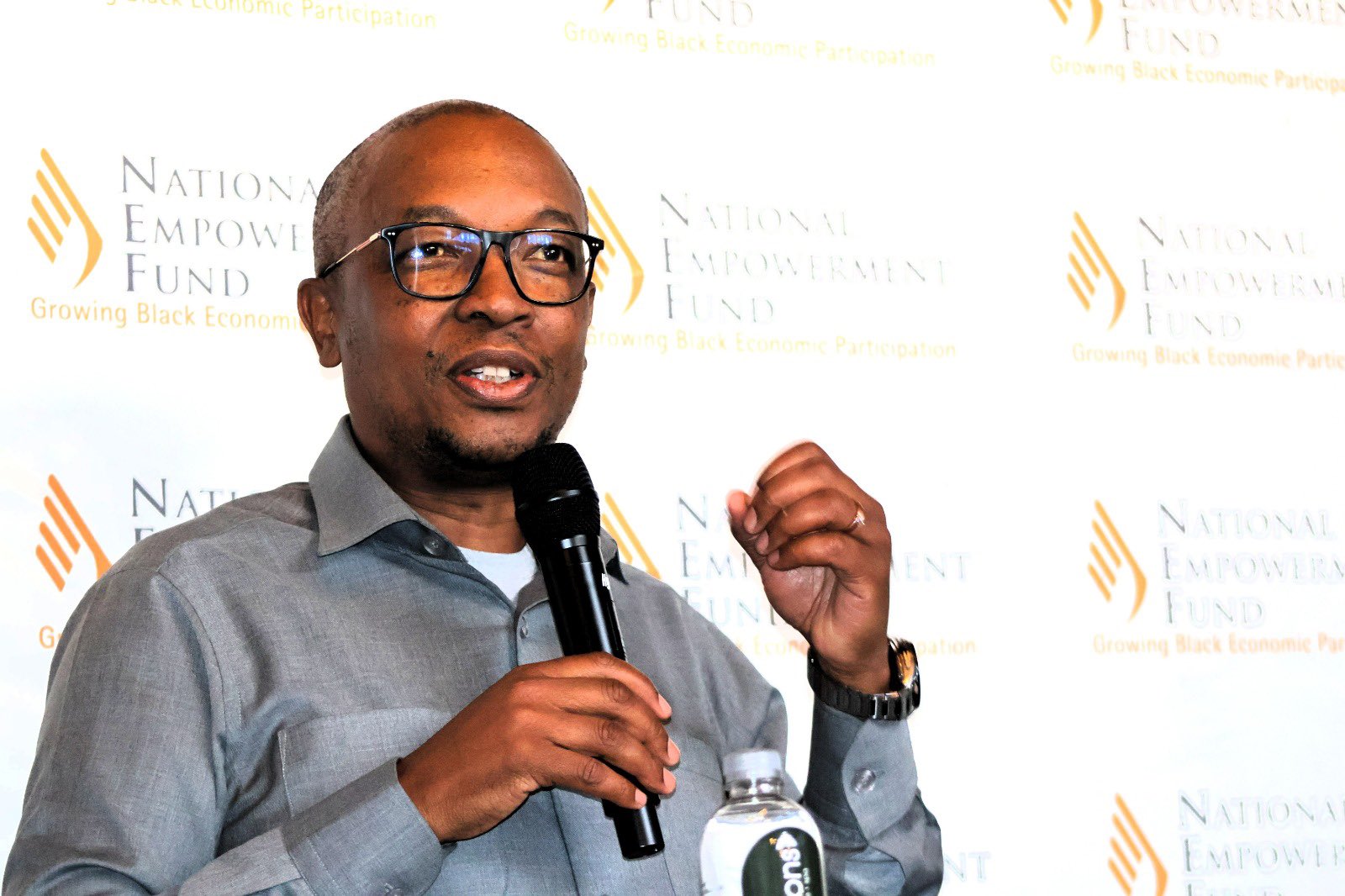
Now, through the assistance of Ga-Rankuwa Ward 31 councillor candidate Phillip Letlape and MMC Aaron Maluleke, the shameful ground is set for a second flattening and grading, as efforts continue to restore the municipal sports facility following a serious community outcry.
The intervention comes amid growing tensions among football stakeholders, community activists and those involved in the management and use of the grounds.
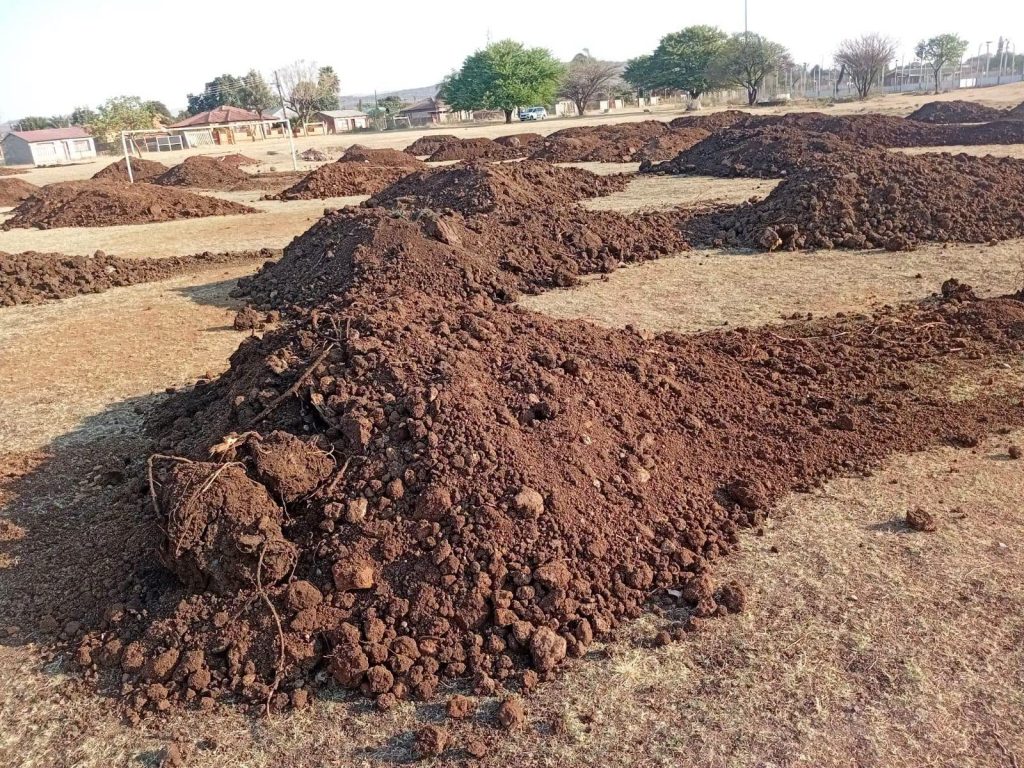
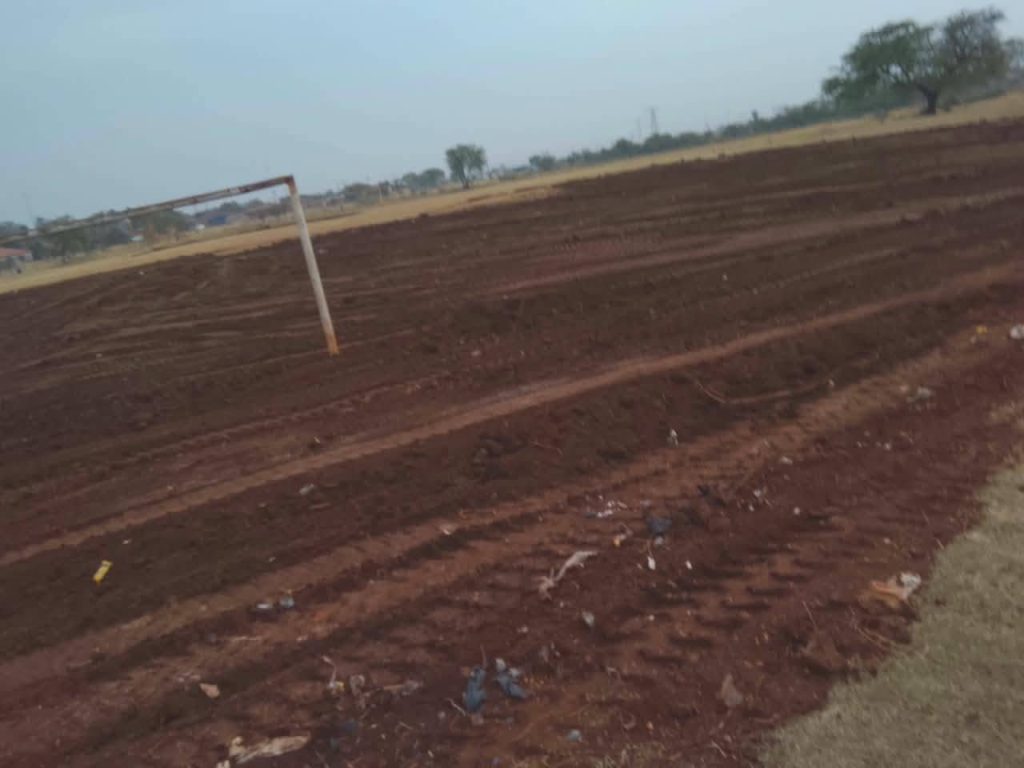
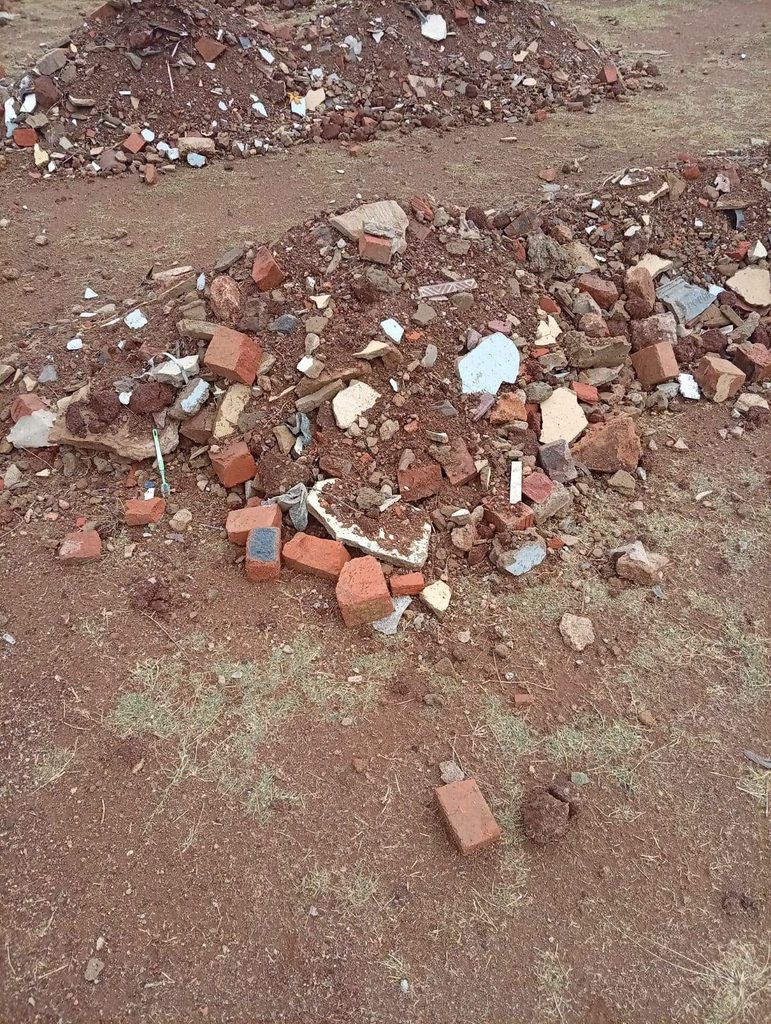
Letlape and Maluleke are among those attempting to address the situation, with City of Tshwane officials previously sending a grader to the grounds after concerns were raised about the condition of the playing surface.
But as efforts to fix the problem continue, a bigger question has emerged in the community: Is this simply service delivery in action, or has the Western Grounds controversy become part of a political campaign ahead of the 4 November elections?
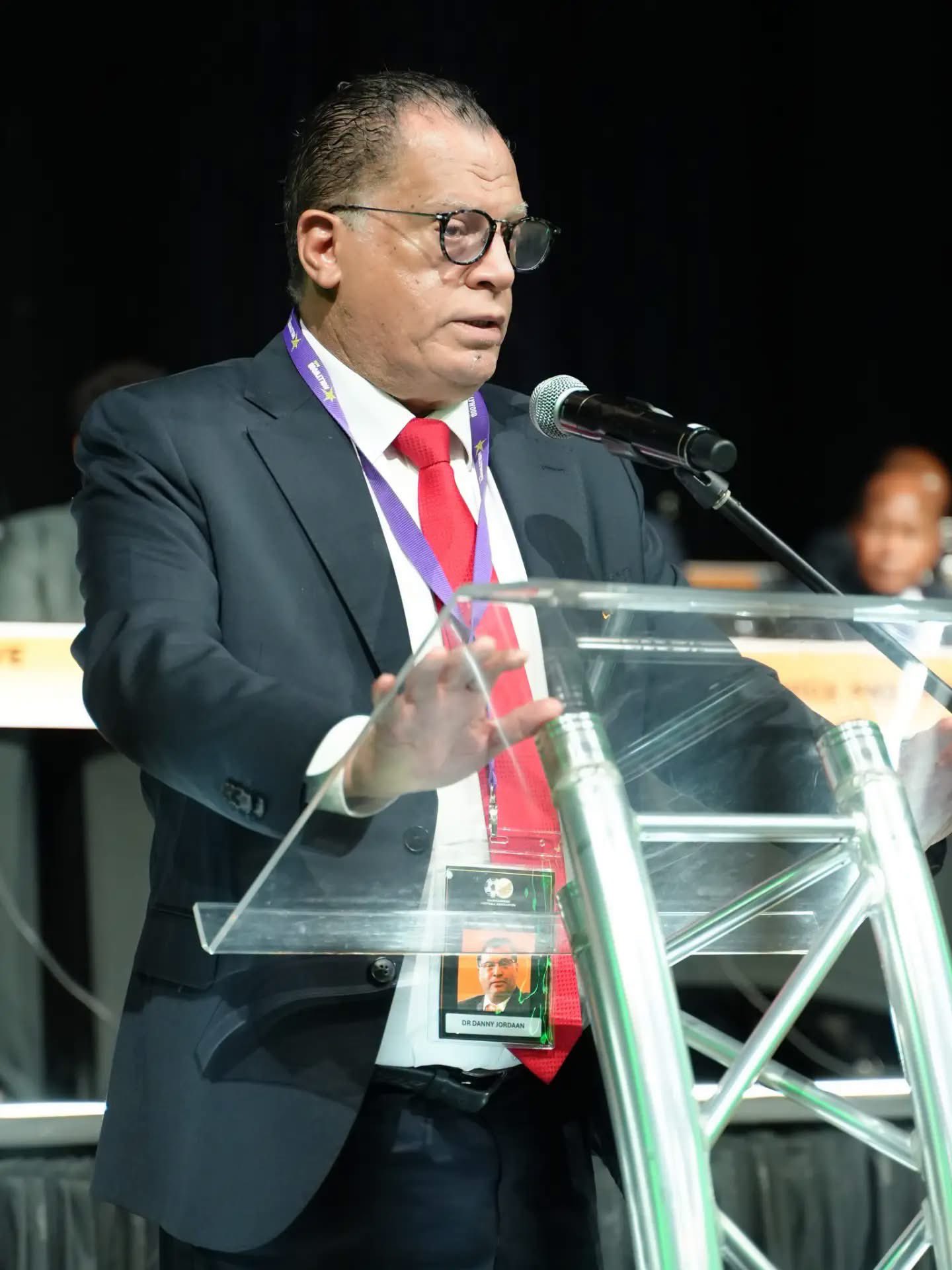
Letlape, who is campaigning as an ANC Ward 31 councillor candidate, has now responded to questions surrounding his involvement and accusations that political interests could be using the Western Grounds dispute as a campaign opportunity.
In a statement, Letlape said his approach had been to seek a peaceful solution rather than take sides in the dispute.
He said that after concerns were raised about the soil at Western Grounds, he personally contacted one of the individuals accused of bringing the soil to the facility, Agrippa Gumede.
According to Letlape, his intention was to understand what had happened and find a solution that would benefit the wider community.
He said he was subsequently asked to assist with levelling the ground so that it could once again be used by different teams and community members.
Letlape said he then approached MMC Maluleke, who engaged the relevant City of Tshwane officials.
A grader was subsequently dispatched to Western Grounds and the soil was levelled.
However, the situation allegedly changed after the grading operation.
Letlape said he was “surprised and concerned” to learn that additional building rubble with rocks and nails, or soil had later been dumped at the grounds after the grading had already taken place.
But the grader on the day did a shoddy work, and indications are that the driver, or controller, doesn’t know how to level a soccer field.
Letlape has strongly distanced himself from that development.
“I was not involved in, nor do I have any knowledge of, who subsequently dumped the rubble,” Letlape said.
He said his role was limited to engaging affected parties, seeking assistance from the relevant authorities and helping restore the grounds so that the community could move forward peacefully.
The latest development means the field is now expected to undergo another flattening and grading exercise in an attempt to address the problems caused by the additional material.
The controversy has already generated strong reactions from football coaches, community activists and residents, with concerns ranging from the suitability of the soil to the impact the work could have on teams using the facility.
The political dimension has added another layer to the dispute.
With the local government elections scheduled for 4 November 2026, any visible intervention by political candidates or municipal office-bearers is inevitably likely to attract scrutiny.
However, Letlape insists his involvement should not be viewed through a political lens.
“As a community leader and councillor candidate, my commitment remains clear: I will continue to engage with our communities respectfully, seek practical solutions and work towards peace, unity and development in Ward 31,” he said.
He also called on residents not to allow misunderstandings surrounding the grounds to divide the community.
The Western Grounds dispute therefore leaves two issues on the table.
The first is practical: will the second grading finally produce a safe and usable football field?
The second is political: is the intervention simply an example of officials responding to a community problem, or will the Western Grounds become another battleground in the run-up to the November elections?
For the footballers, coaches and children who depend on the facility, however, the priority is less complicated.
They want a properly maintained field where football can be played safely.