


TSHWANE NEEDS R35 BILLION TO TACKLE HOUSING BACKLOG!
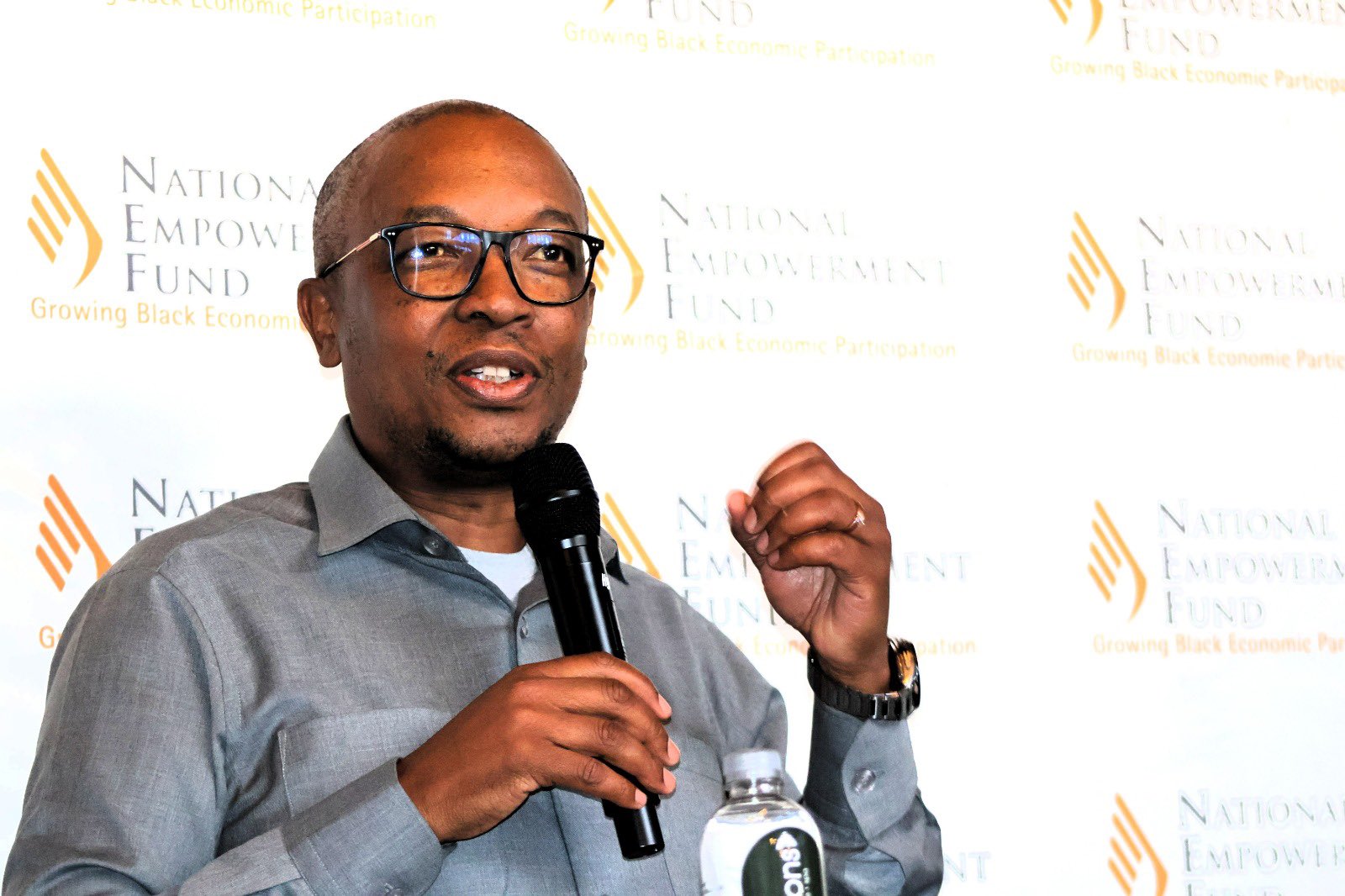
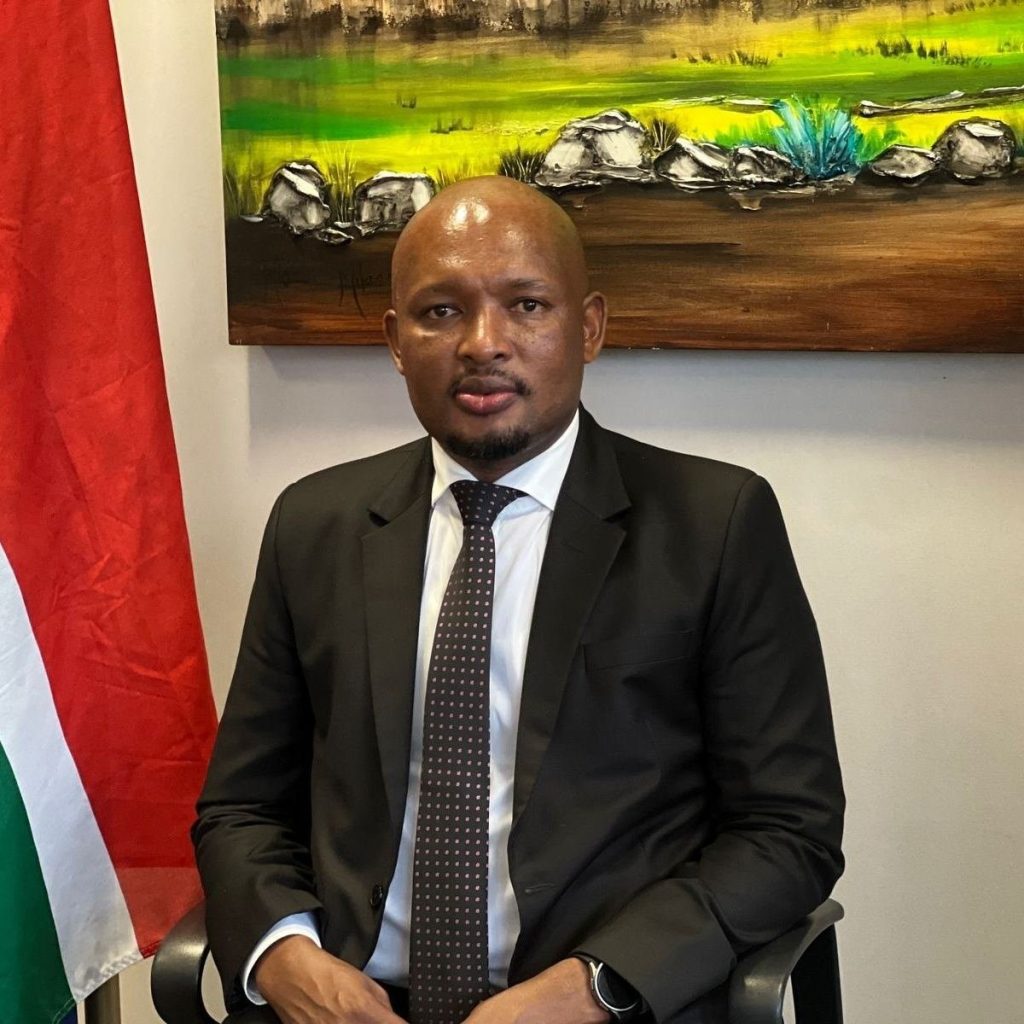
The City of Tshwane will need an estimated R35 billion to adequately address its growing informal settlements crisis, according to MMC for Housing and Human Settlements, Aaron Maluleka.
Speaking in a recent radio interview, Tshabalala revealed that the metro has identified 502 informal settlements across the capital, a sharp increase from about 280 before the Covid-19 pandemic in 2020.
Tshabalala attributed the dramatic rise to the Covid-19 period, when the Prevention of Illegal Evictions Act limited evictions to protect vulnerable residents.
“While the Act protected the poor and homeless from harassment during Covid, it also created an opportunity for land invasions,” he explained.
The surge prompted the City to approach the council for a policy reform on informal settlement management, which was passed last week. The new policy places responsibility not only on the municipality but also on private landowners who fail to report or prevent land invasions on their property.
One of the most striking revelations is how much the metro is already spending just to provide basic services to informal settlements:
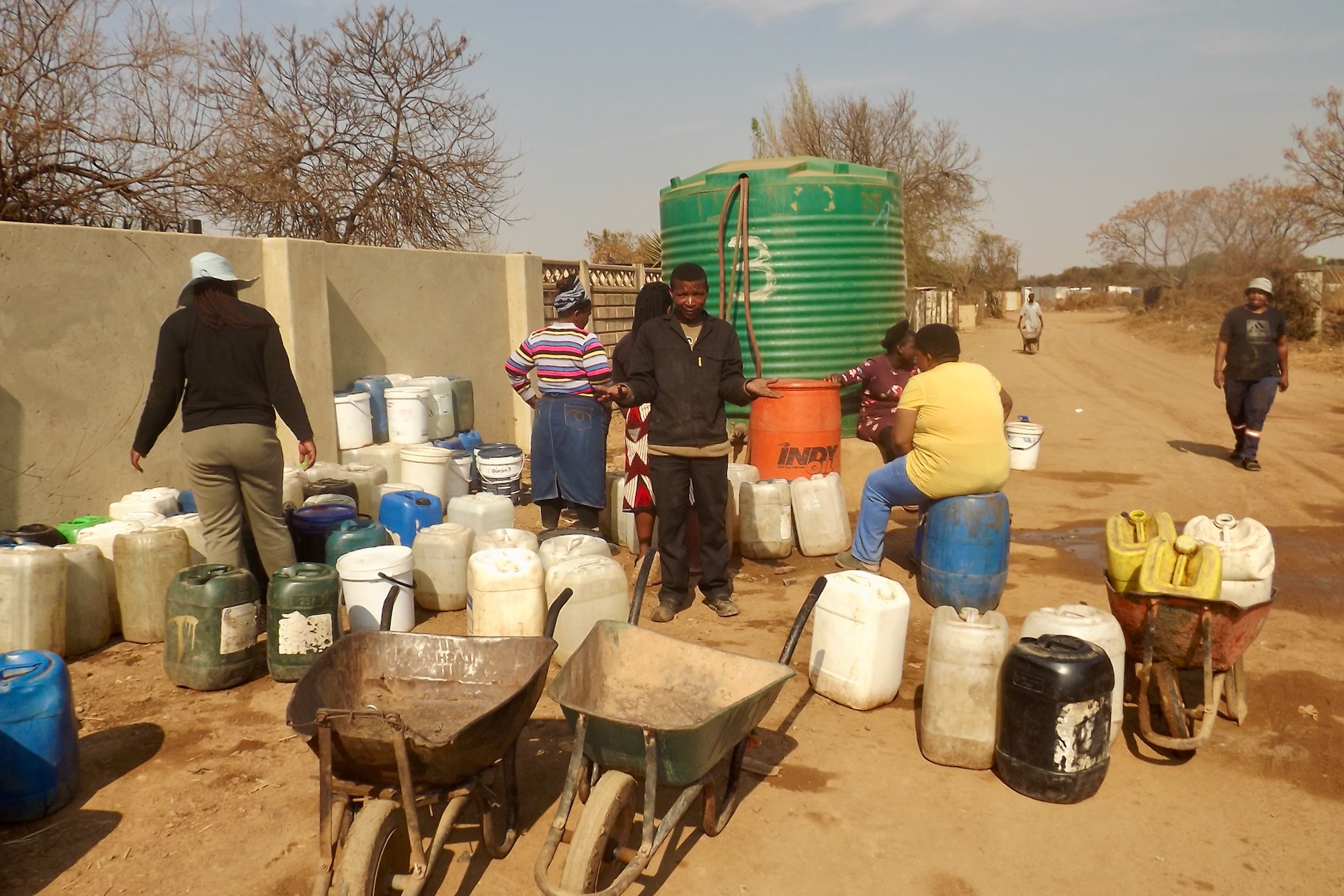
- R300 million per year on water tankers
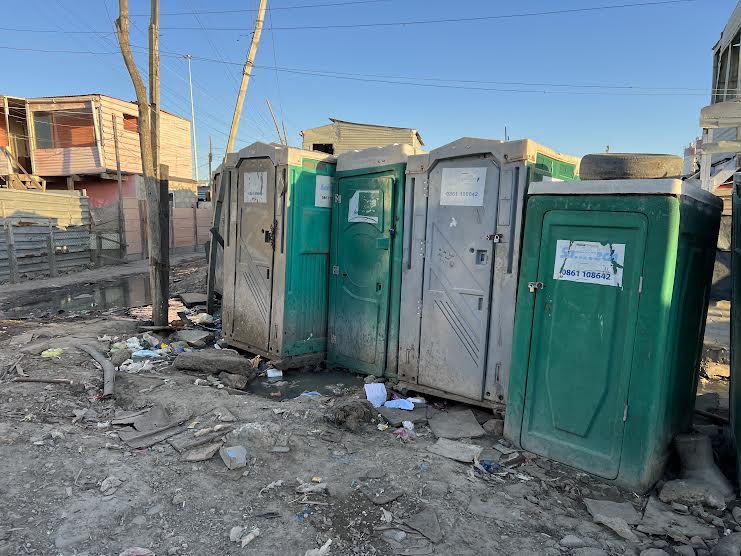
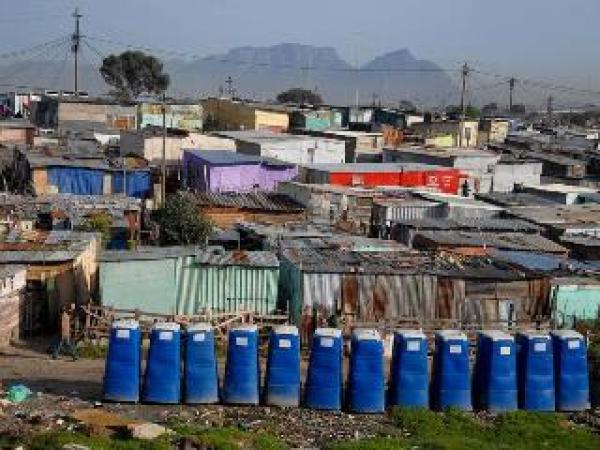
- Over R90 million per year on chemical toilets
“That is almost R390 million annually on temporary measures,” Tshabalala said, noting that the spending is unsustainable.
He argued that if the same funds were invested in permanent infrastructure, water pipes, sewer systems and roads, the City would not only improve living conditions but also stimulate economic growth.
“If we were to spend that money on infrastructure, it would benefit us in housing delivery and help expand industrial parks, roads and water capacity,” he said.
The City has divided the 502 settlements into three categories to guide intervention:
- Category A: Settlements that can be upgraded in their current location (in situ).
- Category B: Partially developable areas, such as land affected by wetlands or rocky terrain.
- Category C: Settlements that require full relocation.
This categorisation is intended to improve planning and give communities realistic timelines, with the City aiming to make significant progress over the next three financial years.
As part of its strategy, Tshwane is rolling out serviced stands, formally approved plots with layouts, sewer reticulation, and basic infrastructure. Residents receive title deeds, and over time, roads and further services are added.
Housing structures are constructed in partnership with the Gauteng Department of Human Settlements, while beneficiaries who can afford to do so may build larger homes within approved guidelines.
Tshabalala also acknowledged resistance in some communities when relocations are proposed, particularly from residents in affluent suburbs.
He stressed that spatial inequality remains a core issue in Tshwane.
“You cannot have people working in your yard during the day, but at night you don’t want them near your community,” he said.
The City plans to release land in areas such as Pretoria East to create approximately 800 housing opportunities aimed at domestic workers and retail employees, allowing them to live closer to their workplaces and reduce transport costs.
Funding Gap and Private Partnerships
Despite the urgency, the City’s capital expenditure budget sits at approximately R3 billion, which must be shared across multiple departments.
To bridge the gap, Tshabalala said the City is exploring:
- Public-private partnerships in water infrastructure
- Revenue-sharing models in electricity operations
- Blended finance mechanisms
- Debt market funding
- Long-term infrastructure investment models
He suggested that without alternative funding models, it could take 40 to 50 years to clear the housing backlog.
“If we partner with the private sector, for example, investing R20 billion in water infrastructure and another R10–15 billion in electricity, we can shorten that timeline significantly,” he said.
With nearly half a billion rand already spent annually on temporary services, Tshwane’s informal settlement challenge is not just a housing issue, it is a financial sustainability issue.
The R35 billion price tag underscores the scale of the crisis facing the capital city.
Whether through municipal funding, private partnerships, or blended finance, the coming years will determine whether Tshwane can move from costly stop-gap measures to long-term human settlement solutions.