



BEKKERSDAL TRAGEDY: A COMMUNITY MOURNING NINE LIVES!
The quiet mining community of Bekkersdal in Gauteng was left traumatised following a brutal incident that claimed the lives of nine people, sending shockwaves far beyond the township’s borders.
What unfolded was not only a criminal act of devastating proportions, but also a painful reminder of the deep social fractures that continue to haunt many South African communities.
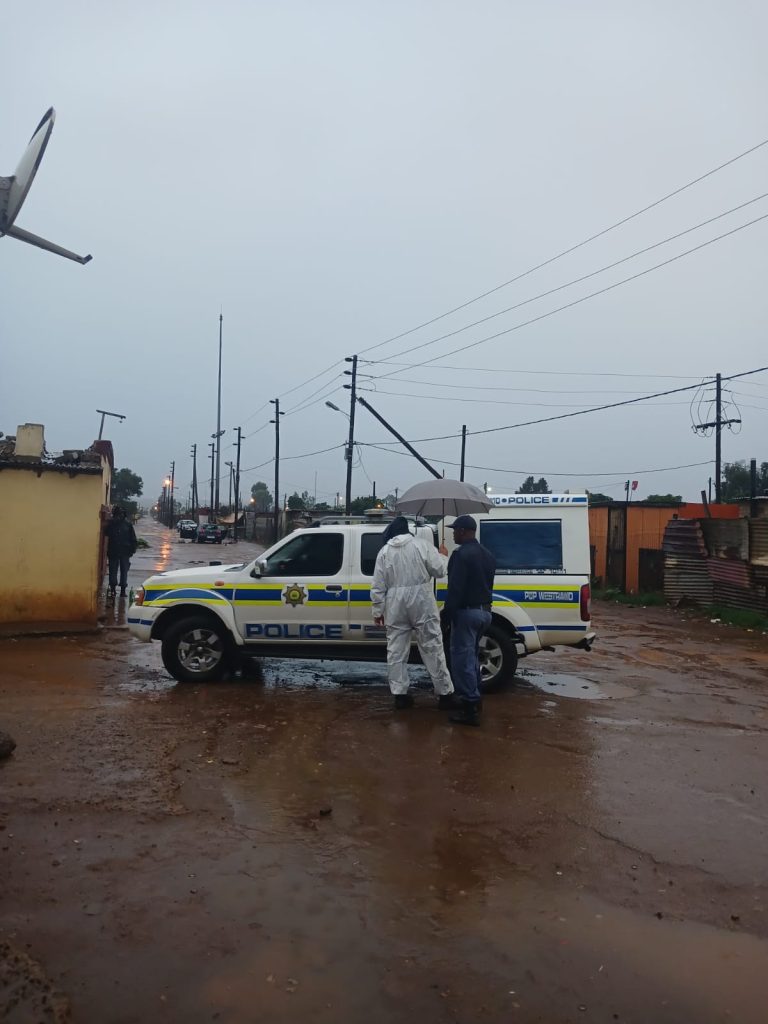
Bekkersdal, long known for its struggles with unemployment, informal settlements and service delivery challenges, has often been a symbol of resilience amid hardship.
Yet, the killing of nine people marked one of the darkest moments in the area’s recent history.
Families were torn apart, children left without parents, and a community already battling daily socio-economic pressures was plunged into collective grief.
According to preliminary reports, the victims were killed in a violent episode that authorities described as severe and unprecedented for the area.
Law-enforcement agencies swiftly launched investigations, while political leaders, community structures and civil society organisations condemned the killings and called for justice.
Police visibility was increased in the days that followed as residents demanded safety, accountability and answers.
Beyond the immediate criminal investigation, the tragedy has ignited wider conversations about crime, poverty and social instability.
Many residents argue that violent crime in townships cannot be separated from the realities of unemployment, substance abuse, overcrowded housing and limited access to social support services.
While none of these challenges excuse acts of violence, they form part of a complex environment that continues to test the fabric of communities like Bekkersdal.
Community leaders and activists have urged government departments to go beyond reactive policing and focus on long-term interventions. Calls have been made for improved youth development programmes, mental health support, economic opportunities and stronger community-police partnerships.
Faith-based organisations and local NGOs have also stepped in to provide counselling and trauma support to affected families and witnesses.
The loss of nine lives has left scars that will take years to heal.
Memorial services held in the aftermath became moments of both mourning and unity, as residents stood together to honour the victims and reject violence. Candles, flowers and prayers filled streets that had become scenes of sorrow, reinforcing the shared determination that such a tragedy should never be repeated.
For South Africa, the Bekkersdal killings serve as a sobering reflection of the broader national struggle against violent crime. While statistics often dominate public discourse, incidents like this bring into sharp focus the human cost behind the numbers.
Each life lost represented dreams, responsibilities and loved ones whose absence will be felt for generations.
As investigations continue and the justice system takes its course, the nation watches with the hope that accountability will prevail.
More importantly, the tragedy challenges leaders, communities and citizens alike to confront the underlying conditions that allow violence to thrive.Bekkersdal is more than a headline or a crime scene.
It is home to thousands of people who deserve safety, dignity and opportunity.
Honouring the nine lives lost requires more than condemnation—it demands sustained action to build safer, more inclusive communities where such tragedies become a thing of the past